Friday, August 21, 2009

Nutrition Studies


Find Nutrition Studies in the United States and Canada. Undergraduate nutrition studies frequently share common curriculums that are relatively comprehensive in nature. In most cases, nutrition studies involve broad and diverse subject matter including coursework in biology, essential nutrients, human growth and development, as well as other fundamental education.Additional nutrition studies branch out into several disciplines entailing mineral nutrition, exercise, and nutrition with regards to disease; lipids, metabolic and environmental health, and more. Ordinarily, nutrition studies cover coursework in dietetics, nutritional counseling, food and nutrition services management, sport nutrition, fitness and wellness, Laying the foundation with undergraduate nutrition studies helps students to further academic paths as they apply to graduate programs where they can earn a Master's or Ph.D. degree in nutritional science, clinical nutrition, fitness and personal training, and wellness counseling, among others. That goes without saying that a number of nutrition studies can result in an Associates or Bachelor's degree, as well as certification.Serving as part of the medical healthcare community, nutritionists may also opt to participate in holistic nutrition studies where they will gain an edge in integrative health and wellness. For example, holistic nutrition studies expand the professional dimensions of nutritionists who learn about TCM (traditional Chinese medicine), herbology, aromatherapy, and other complementary health services. Overall, it is never too late to achieve your healthcare training goals; and predicted to be one of the fastest growing occupations*, dieticians and nutritionists can anticipate rewarding outlooks - both personally and professionally. If you (or someone you know) are interested in finding nutrition studies, let professional training within fast-growing industries like massage therapy, cosmetology, acupuncture, oriental medicine, Reiki, and others get you started! Explore career school programs near you.

Sports Nutrition


Why are we drawn to sports? It is because we appreciate and take pleasure in witnessing the human spirit in motion. Athletes competing and achieving despite difficulties inspires us all. It is a reality TV show in its best. Sometimes, we can't help asking what sort of "all in one sports nutrition" they are taking.It's heartwarming to us those ordinary mortals, after years of training and hard work had triumphed against all odds. We know that these athletes had worked hard to develop their physical skills. We can't help but be one in their triumphs and empathize in their defeats. But surely this privilege is only for the professional athletes who have all the time in the world to engage in sports and sustain this with appropriate nutrition? Not necessarily true.For people juggling a delicate balance between their busy life and their need for physical health, all in one sports nutrition maybe a heaven sent. The secret of all in one sports nutrition lies in its ideal balance nutrients, compacted in one package. This will save you so much time in just preparing and consuming different sports nutrition when you're in hurry. This will also save you money since you wouldn't be buying several packs of the sports nutrients with overlapping nutrients contents. All in one sports nutrition is also scientifically designed to include all the necessary nutrients needed by any athlete, and specially includes you. After long hours of workouts, all in one sports nutrition will work its wonder by giving you sustained energy source. And since this is a complete sports nutrition, there's no reason to worry about missing one important nutrient during your last meal. Some sports nutrition claims that having all nutrients in one package is not advisable because there is the tendency that the manufacturer will limit other vital nutrient. This maybe true for others but not with all in one sports nutrition. All in one sports nutrition was formulated exactly to contain the right balance, in the right amount, nutrients needed by athletes and sports enthusiasts, including you. All in one sports nutrition contains ingredients designed to improve athletic performance. It is also designed to hasten the recovery of muscle fatigue every after exercise. All in one sports nutrition contains the perfect combination of complex and carbohydrates. This combination is at the heart of every successful sports nutrients product for carbohydrates provide sustained energy needed in a sustained exercise. Balanced carbohydrates content of all in one sports nutritionMost commercial sports nutrients product derives all of their calorie source from simple carbohydrates. This almost always results in blood sugar swings, making it hard for athletes in general to balance and steadied their movement during training or competition. Slow and steady delivery of calorie during regimen help the muscles not to deplete its supply of blood sugar. This is very critical during your exercise because this depletion can cause too much fatigue. This prevents also gluconeogenesis, a form of muscle cannibalism resorted to by our to produce energy during "emergency" or regimen.Protein content of all in one sports nutrition Aside from carbohydrates, nutritional supplement high in quality protein, will you're your muscle's re-growth and repair. Protein is a hard workers nutrient that goes a long way in maintaining your health during intense exercise. Protein produces the enzymes needed to help carbohydrates maintain energy levels during regimen.Benefits aside, protein intake is one the most debated issue in the fitness and sports nutrition world. Too much intake of protein, claimed by many, harms the body. Consensus however, among fitness professionals and sports nutritionist suggest a different direction. Protein intakes above the RDA appears to stimulate the loss of body fat while increasing muscle tissue. But all in one sports nutrition follows the RDA not because it supports the claims of anti-protein intake. All in one sports nutrition is perfect balance of necessary nutrients, carbohydrates and protein included. Aside from these two most important elements in any sports nutrition program, all in one sports nutrition also contains other minerals needed by your body to sustain itself during heavy exercise and other physical activities. So you see, there's no reason to loose hope joining the privileged groups of athletes. Your all in one sports nutrition will sustain you during your regimen, and it will help your muscles recover fast enough for your work office work tomorrow!

Blood Nutrition


No general screening test is more efficient, effective and affordable than a comprehensive blood chemistry panel. It allows the healthcare provider to establish a baseline of biomarkers to track the patient’s health and nutritional needs. Getting a blood test is essential to understanding your current health and your nutritional needs.What is Blood Nutrition?Blood NutritionTM, is an innovative, science-guided look at nutritional strengths and weaknesses through an individual’s blood test. This new scientific approach can offer a clear plan for your optimum health. As a result, a new generation of healthcare professionals is emerging with the tools and keys that can reveal the more subtle imbalances and assist in correcting them.Blood NutritionTM is a comprehensive approach to health. To address the true cause of symptoms, one should look for their origin from a science-generated perspective by considering:• Physiological distress or disease conditions• Nutritional distress or imbalances• Mental/emotional distressAny of these factors may be the source or a contributing factor for the symptoms of imbalance. The cornerstone of an effective health strategy is a nutritional and lifestyle plan that is based on your biochemistry. Success here is dependent on the establishment of an accurate nutritional profile guided by scientific approaches such as a comprehensive blood test.Blood Nutrition and ScienceThis advanced scientific approach identifies nutritionally significant information through the careful analysis of the various blood values. Certain indicators can reveal electrolyte, mineral and other nutritional imbalances. Once addressed, one can optimize the metabolic processes and help maintain the healthy performance of the body. A balanced nutritional state is essential for achieving and maintaining health.Nutritional analysis of your Blood Test may indicate the need for:• Key nutrients such as vitamin A, B6, B12, D• Fluid and electrolyte balance• Minerals such as magnesium, calcium and iron• Tissue hydration• Antioxidants• Enzymes• Nutritional support of key organs• Nutritional support of metabolic pathways• The need for lifestyle changesNutritional ImbalancesIf you have nutritional imbalances, you may be experiencing the following:• Mental/emotional symptoms including mood swings and anxiety• Structural/musculoskeletal symptoms such as pain or stiffness• Digestive issues such as bloating, indigestion and elimination problems• Optical symptoms such as difficulty in night vision or blurry vision• Symptoms such as weight gain, fatigue, insomnia, food cravings• Cardiovascular health issues• Dry skin, brittle nails, hair dryness or loss• OthersAre you suffering from the effects of nutritional deficiencies or imbalances? Nutrients such as amino acids, enzymes, fatty acids, vitamins, minerals and electrolytes are the building blocks of the body. They provide energy, support metabolism and are needed for many biochemical reactions to sustain health. Key nutrients may become deficient for various reasons. These may include:• Disease processes, which may block metabolism• Poor dietary habits• Physical, mental and emotional stressOne of the most scientific ways to identify nutritional imbalances is to have your blood test evaluated by a nutritionally trained doctor or healthcare practitioner who is experienced in Blood NutritionTM assessment. A comprehensive blood test is affordable and results are normally received within a few days.When key nutrients become deficient, many metabolic processes are affected. The body may initially try to compensate for such imbalances. However, if they are prolonged, they may contribute to hormonal issues, metabolic disorders, increase in toxic load, oxidative stress, organ weaknesses and many other health issues. Many symptoms such as tiredness, fatigue and irritability may be effectively addressed with proper nutritional considerations.A blood test is one of the most efficient tests you can get to determine the quality of your overall health. Once you have received your test results, working with a specialist who is experienced in Blood NutritionTM will enable you to achieve the optimum health that is essential to a long life full of vitality.

Why Nutrition is Important?


I'll bet you've never even full the time to judge what your nutritional desires might be, or the importance of that diet on your fitness. Did you know that if the brain doesn't get enough protein, it doesn't polish precisely, or if the wholesome female body doesn't get enough flax oil, omega-3 and omega-6 her body's metabolism will not perform correctly and she is more susceptible to load obtain? All these pieces of information and many more are contributing factors to our nutritional desires, and our nutritional wishes are met through our ingestion routine, good or bad. Nutrition as it applies to our daily lives means that we take in what we neediness to argue our body's healthful imperial. Nutrition has become an important word credit to the involvement of the USDA in our daily food requirements, and the FDA's involvement in determining what is and is not risky for us to consume. Nevertheless what is our responsibility in the food amusement? Do we understand what our nutritional requirements are, how to block those requirements, and how to look for truthful nutritional cost in our foods? I'm not definite that diet has been successfully addressed in its own right. We consider food relative to our vitamin intake, our fortified cereals and milk, and in the milieu that we must "nutritional appraise" from our food choices. Nevertheless what really diet when useful to our daily forcibly functions? Nutrition refers to the promotion of our body, in our ability to keep it wholesome and functioning as it is aimed to do. Our ability to give the body with all the required food, vitamins, and reserves so that we persist to flourish in our daily life processes. How do we determine that we are providing the necessary nutritional wishes? The data comes by educating ourselves about what our individual wants are, the requests of our family, and then charming the facts and applying it to the foods we buy, that we practice, and that our families consume. Our nutritional wants and caloric request change as we age, the nutritional wants of a 13 year old teenager are much different to those of a 30 year old female. Quite often, our vitamin and limestone requests outweigh our caloric wants. In those instances, we change to manufacture vitamins and reserves to fill the gap. This is a part of our nutritional wishes, also. Nutrition is one of the most byzantine areas to gain useful data about, because there are so many components, and because each, someone has their own individual desires. Women's desires disagree from those of men, and adult women's desires fluctuate from those of an offspring child. As we age, our needs constantly change; therefore continuous schooling about diet is a truth of life. The information we have unfilled about the vigor choices and alternatives unfilled to us change daily. Very few remedial doctors ever address our nutritional needs, older the needs of a pregnant woman, or an already poorly serene. What about the needs of the well unwearied? To live healthy, there is nutrition, drill, mental, and emotional needs that must be met.

Health Maintenance Through Positive Thinking


Psychological resources such as hope, optimism, personal control, sense of meaning, and subjective well-being are known to exercise a protective influence on health. The Greek physician Hippocrates anticipated that positive emotions and health outcomes may be linked through multiple pathways. In the developed and developing countries, health is seen as the most valuable asset for a good quality of life, particularly in later years of life. Good health of the citizen is key facilitator to contribute to society. Smith (1990) said, "In the past, good health meant the absence of disease." Today the definition of health is high level wellness that goes beyond the absence of disease toward one’s maximum potential which includes mind, body and sprit. High level wellness is the integration of health component, i.e. emotional, physical, social, spiritual and mental.
The common origin of the word health from "hoelth", an English word meaning safe or sound and whole of body (Dolfman, 1973). There is no one contemporary meaning for the term. A nursing oriented definition of health consistent with the theme that the health is a subjective phenomenon that is operationalizable has been proposed by the Lynn. Lynn, 1990 defined health as a subjective representation of a person’s composite evaluation of somatic sense of self (how one is feeling) and functional ability (how one is doing).As such, health is manifested in the subjective judgment that one is experiencing wellness or illness. These subjective experiences are dynamic and are an outgrowth of person and environment interactions. As long as a person is capable of evaluating how he/she is feeling and doing at some level, the person has health.
The World Health Organization (WHO, 1948) defines health as a "state of complete physical, mental and social wellbeing and not merely the absence of disease or infirmity". Thus, the World Health Organization (WHO) has very clearly indicated that the absence of disease is not enough for health. This, definition emphasizes on positive and negative dimensions of health. Negative health or ill health has a subjective component expressed in the concept of illness and discomforts and an objective component express in concept of disease, injury, handicap or deformity. Positive health has two components: wellbeing and fitness. This state entails an appropriate balance of the physical, mental, social ingredients. Fitness can be considered as the objective physical components, where as, wellbeing can indicate the psychosocial component of positive health.
Lau (1995) found that when young healthy adults were asked to describe in their own words "what being healthy means to you?" their beliefs about health could be understood within the following dimensions:-
Ø Physiological/Physical- good condition, having energy.

Ø Pathological-happy, energetic, feels good psychologically.

Ø Behavioural-eat and sleep properly.

Ø Future consequence-live longer.

Ø The absence of, e.g., sickness, disease & symptoms.
Kasl and Cobb (1966) states that health behaviour is any activity undertaken by a person believing himself to be healthy for the purpose of preventing disease or detecting it at an asymptomatic stage. Therefore, positive health can be defined as activities that may prevent disease, detect disease and disability at an early stage, promote and enhance health, or protect from risk of injury. Thus, "positive health can be defined as any activity undertaken by individual with a frequency or intensity that increases health or reduces disease"
As, we all know that the good health is a gift of God, but having good health is not sufficient but to maintain it also equally important. For this reason one should also focus on healthy lifestyle and positive thinking.

Health and Wellness Coaching


Do you find it challenging to stay motivated when endeavoring to make changes to your health? Are you aware that changes must be made in your daily life but you do not know where to begin? If so then Health and Wellness Coaching might just be the solution you have been seeking.Health and Wellness Coaching is a service offered by trained professionals who work with you individually to assist you reach your Wellness goals. Health and Wellness Coaching motivates, guides, and supports a person in order to reach sustainable behavioral changes by offering creative solutions to their problems.Health and Wellness Coaching provides individually designed programs to meet your unique needs by focusing on physical, mental, and emotional health. They assist you become proactive in your life by removing unhealthy behaviors and making Wellness a priority.Benefits of Health and Wellness Coaching for Your Staff MembersStaff Members can benefit from Health and Wellness Coaching in a variety of ways. Health and Wellness Coaching can assist individuals decrease major health risks in their lives by changing high risk behaviors. Some of the many reasons why employees work with Wellness Coaches are to get in shape, lose a little (or lot) of weight, reduce stress, stop using tobacco, and design balance in their lives. Wellness Coaches aid individuals with current health problems as well as preventing future health issues.Because each program that a Wellness Coach designs is unique to suit the needs of the individual, they can be sure that it'll be a program that is right for them. Most busy employees mistakenly believe that they do not have the time for Health and Wellness Coaching. Fortunately Health and Wellness Coaching professionals are able to offer their services in a variety of convenient ways. While electronic Health and Wellness Coaching through the use of e-mails and instant messaging has become a popular method due to its convenience, telephone and face-to-face interactions may also be used. Staff Members have the ability to reach their goals and improve their lives through the assistance of Health and Wellness Coaching.Benefits of Health and Wellness Coaching for the CompanyThe overall benefits of Health and Wellness Coaching for a business are remarkable. Staff Member high risk behaviors such as tobacco use and obesity cost companies millions of dollars every year. These high risk behaviors often cause preventable illness and keep employees from coming to work. Health and Wellness Coaching guides, supports, hold individuals accountable, and ensures that they receive continued motivation to assist them reach their Wellness goals and eliminate unhealthy behaviors in their lives.By implementing Wellness Plans and using Health and Wellness Coaching in their companies, employers reduce the risk of preventable illness in their companies. This improves the overall health of employees, reduces healthcare and insurance costs, decreases absenteeism, and ultimately enhances performance and productivity. When employees experience the benefits of higher levels Wellness in their lives it causes an improvement in job attitude, energy, and morale. Companies that utilize Health and Wellness Coaching for their employees experience the benefits of higher productivity.Wellness CoachWellness incorporates many facets of our daily lives. From the amount of sleep to the water we drink, to the food that we eat and the activity that we maintain, our health is dependent upon many factors of our lifestyle. Working to improve our Wellness can be challenging to reach on our own. That is why we can utilize the assistance of a Wellness Coach.What's a Wellness Coach?A Wellness Coach is a highly educated professional who is trained in behavioral change. Wellness Coaches generally have degrees in Exercise Science, Health Education, Exercise Physiology, Counseling and Education. A Wellness Coach assists individuals in recognizing current health concerns as well as preventing future health related issues. These professionals work with individuals in a variety of ways including; face-to-face, phone, via instant messaging and / or email. The latter of those is also referred to as electronic Health and Wellness Coaching and is the most efficient and cost effective method of working with a Wellness Coach. No matter what method is used for communication a Wellness Coach provides a personalized program specifically designed to address the needs and concerns of each personal client.In what ways can a Wellness Coach assist me? Most individuals maintain several healthy habits in their lives. One person may be a fitness enthusiast; another may abstain from alcohol and tobacco; while another may maintain a healthy daily diet. However, overall Wellness is much like a puzzle, and a high level of health is only achieved when each piece of this puzzle is in place. A Wellness Coach will aid an individual in correcting his/her missing piece of the puzzle. An web-based Wellness Coach may address the needs of sleep deprivation, stress management, diet, or any number of health related issues. The Wellness Coach will motivate, guide, and offer valuable resources to offer individuals with the necessary tools to make life changes.How is a Wellness Coach unique?A Wellness Coach serves a distinctly different purpose than a personal trainer, a counselor, or a supportive family member or friend. First, a Wellness Coach is an expert in his/her personal field. When a client determines the need for a Wellness Coach he or she will complete a Health Risk Assessment (HRA). based on this assessment the individual will be assigned a Wellness Coach specifically selected to address his/her individual needs. Next, a Wellness Coach is available electronically 24 hours per day. Through web-based communication individuals have the opportunity to contact a Wellness Coach as much or as little as he may like. Communication with a Wellness Coach may range from daily to weekly, and can occur by e-mail, journal or a combination of both. Finally, a Wellness Coach is trained to aid in changing the way that the individual thinks and the way that they view themselves. A Wellness Coach maintains the purpose of helping the individual to work towards achieving a higher quality in life. This happens by addressing the cause of a certain problem rather than simply addressing the effects of a problem. A Wellness Coach will assist individuals recognize their needs, determine goals, and take the necessary steps towards achieving these goals.While Wellness are growing concerns in our daily lives, it may seem challenging to make the time to educate oneself and address the needs or our well being. Working with the assistance of a Wellness Coach enables us to emphasis on our personal needs and make progress towards changing.

About Medical Transcription


Medical transcriptionis the process of converting medical reports and records that are dictated by doctors and other medical practitioners into electronic text format. Medical transcription is one of the most widely outsourced jobs in the healthcare industry and is adopted as a part of easing the tedious process of medical records documentation.
The medical and physical reports and records, operation reports, clinic notes, office notes are accurately and rapidly transcribed by the trained certified experienced medical transcriptionists. The medical transcriptionists are well versed with all the medical terms and are specialists in translating the medical data in a perfect manner. Today, hospitals and medical professionals are constantly looking for competent professionals to look after the patients' records. The medical transcription is the process of transcribing the following documents such as;
History and Physical reports
SOAP notes
Clinical Summary
Progress Notes
Discharge Summary
Pediatric/Geriatric reports
Rehabilitation Reports
Teleconferences
Operative reports
Patient Charts
Surgery Notes
Emergency Room Reports
Medical Records Summary
Rapid advancement in technology has changed the global economy, and greatly altered the medical transcription world. The field of medical transcription has gone through tremendous progress because of the Internet boom and other advancements in communication.

Herb Medicine For Healthy Living


Herb Medicine becomes more popular each day as the benefits of using herbs becomes available to the general public. The cost of mainstream healthcare skyrockets and consumers pay out huge sums of money to the established companies that provide the drugs. The information on herb medicine is sometimes discounted by the general consumers. The first thought a consumer might have when this information is reviewed might be of witch doctors and the sorcerers. This should not be the case since there is now much information available based on scientific research and results. Governmental agencies including the Food and Drug Administration now provide proper guidance on the use of herbs for medicinal purposes. The experts that offer the advice on the use of herbs as medicine are certified and industry recognized for their expertise. The use of herbs as medicine is complementary or as alternative medicine. Most people who have experienced the benefits of herb medicine use these in addition to the available mainstream medical treatments. Recently, the Food and Drug Administration issued information on the use of green tea for medicinal use and the potential benefits of drinking green tea that helps reduce the risk of cancer. The study was based on scientific research and the report issued included the information from these studies. Other information on the use of herbs as medicine comes from private study groups who employ traditional, scientific research to provide the information to the public. Consumers Should Study Results Carefully When Using Herbs as MedicineSome advocates of the use of herbs as medicine do not use the scientific information available. And some herbs used as medicine do not have scientific information to substantiate the benefits it claims. Some of the herbs available for medicinal purposes have been used successfully by consumers and their enthusiasm and testimony about the benefits encourage others to use certain herbs. Without the scientific information on a particular medicinal herb, the benefits are dubious. Maybe these substances do work and maybe they do not. There is no way of validating the benefits without the proper research. At times, people experience benefits for other reasons not necessarily related to a certain herb treatment.The companies that produce herbs as medicine have been successful just like their counterparts that produce mainstream drug products. Some of this success has been due to their advertising and enthusiastic consumers. There are certain herbal substances that are known to suppress the symptoms of the common cold and depression. The effects of these herbal substances are not always backed by scientific research. That does not mean that these are not effective herb remedies, but the research has not been conducted to prove the results it claims. Consumers should look carefully at all the information available on the medicines that they use to maintain a healthy life style.

Acne Medicine:


Who wouldn't love a hero? Who wouldn't be able to love someone or something that's willing and able to help you out of trouble? Then again, what if the nemesis at hand is face-scarring and social-life-threatening acne? Could there be a hero created by the medicine industry with the power to defeat this long familiar enemy of beauty conscious individuals? Acne Medicine Solutions: Which Is Best for You No acne medicine is thoroughly effective for everyone. What works for another may not be as effective for you. This could be due to a number of factors: skin type difference, how serious the condition at hand is, and even a person's lifestyle. Acne Medicine Prescribed by Your Doctor There are certain acne medicine products that may not be purchased without a doctor's prescription. Even if you find a way of purchasing it without your doctor's permission, it's still for your own good if you consult your doctor regarding the acne medicine product before using it. Topical Antimicrobials - These acne medicine products work by attacking the bacteria causing acne to appear on the surface. As the term "topical" suggests, they are applied directly to your skin. Topical Retinoid - This type of acne medicine product mainly uses vitamin A to unclog pores and minimize production of whiteheads and blackheads. This product however may cause a person to suffer skin irritation problems as well as heightened sensitivity to sun exposure. Oral Antibiotics - Yes, it's possible indeed that you can cure yourself from acne through oral medication. It's imperative however that you use the right dosage or risk having your body immune to the medicine's effects. Oral Contraceptives - Although this has been effective in treating acne, remember that it was not primarily intended for such use. As a result, manufacturers hadn't concentrated in ensuring that their products don't have any side effects when used for treating acne. Off the Counter (OTC) Acne Medicine On the other hand, there are readily available acne medicine products being sold in drug stores and which don't require a prescription from your doctor. Be sure to read the instructions carefully to ascertain that you're not at risk of suffering from any side effects. Benzoyl Peroxide - This is one of the most popular OTC acne medicine products being used. It may however cause a slightly painful sensation when being applied. It may also cause your skin to become dry and your hair bleached so care must be exercised when using it. Salicylic Acid - This ingredient can be found in numerous types of OTC acne medicine products and in various forms such as creams, lotions, and even pads. It is only effective however in treating mild cases of acne. Resorcinol - This ingredient is not as popular as the two previous OTC acne medicine solutions discussed. Nevertheless, resorcinol is able to effectively treat mild acne and in mitigating blackhead and whitehead production. Sulfur - This is another lesser-known ingredient found in several OTC acne medicine products in spite of the fact that it has been used for more than half a century already. Herbal Medications - Be wary when using herbal medications to treat acne because many herbal acne medicine products have not been approved by the Food and Drug Administration.

The Amazing Arthritis Medicine


If you are suffering from arthritis for a long time now, you must be looking for new ways on how you can possibly be cured of this disease. Arthritis is simply referred to as joint pains and disorders. Arthritis is a health concern that causes swelling and pain. And such pain may come and go depending upon certain trigger factors. Arthritis is usually developed by people who are in their middle-ages. This is because at that age, their joints have sustained damages with continued use and normal wear and tear. It's a good thing that there are quite a number of arthritis medicines these days. And the Amazing Arthritis medicine is just one of them.The common drugs that doctors prescribe for arthritis are anti-inflammatory drugs and pain relievers. These are chemically formulated drugs especially designed to treat arthritis and address all its symptoms. But then again, a lot of these drugs produce adverse side effects. This is why patients continually look for safer ways and other alternatives for their arthritis pain.Here is where the Amazing Arthritis medicine comes in. Amazing Arthritis is an example of an arthritis medicine that comes in capsule form. It works by reducing the pain associated with arthritis. But unlike most drugs, Amazing Arthritis medicine is made up of pure herbal ingredients. As such, you can be sure that it has minimal to absolutely no side effects.The Amazing Arthritis medicine is created and sold by Exclusive Health Products. The makers of this drug are highly confident with the effectiveness of their product that they're giving money-back guarantees along with every purchase. What's more, these medicines are sold for only $2 each capsule.The medicine works by decreasing the amount of pain felt around the joints. The medicine can also improve the circulation of blood while making sure that you enjoy stronger cartilages. Amazing Arthritis works on almost everybody suffering from the disease, regardless of its type. But then again, a lifestyle change might be needed to maximize the effects of the drug.The medicine works very much like a supplement. Being such, its level of effectiveness varies from one user to another. It is possible that the drug would work on one person and prove to be ineffective to another. But don't get discouraged about this fact. This is true with almost any other drug sold at pharmacies anyway.The main composition of the Amazing Arthritis medicine is glucosamine. Glucosamine is a type of enzyme and it mostly obtained from pineapples. The enzyme works like a tranquilizing neurotransmitter. Aside from the enzyme, the medicine also contains Boron. The primary herbal ingredient of this medicine is Devil's claw. This herb is very popular among arthritis patients of long ago. Other than devil's claw, one Amazing Arthritis medicine capsule also contains good amounts of turmeric, boswellia, and ginger. Several helpful vitamins and minerals are also added to achieve a more effective detoxification process.Anybody who is suffering from arthritis may try this medicine. However, it is best that the move is consulted with their respective doctors to be sure that only the desired effects are achieved.

Access to Medicine


Recent statements, initiatives, and studies from three of the largest producers of pharmaceuticals in the world confirm that pharmaceutical patent holders are taking steps to improve access to medicines in developing countries. GSK, Johnson & Johnson, and Novartis all have publicly available information on their efforts to improve access to medicines. These efforts will be summarized in this article for reference.
GSK on Access to Medicines
GlaxoSmithKline is on the leading edge of providing access to medicines. Their programs range from making essential medicines more affordable to granting voluntary licenses to developing countries. Highlights of GSK’s programs to increase access to medicines include the following:
1. The Orange Card initiative in Lithuania covers the cost of medications for the poorest of Lithuania’s senior citizens. The program launched in July 2004 and by February 2005 more than 3,500 patients applied for the card and 107 pharmacies registered to participate.
2. GSK provides antiretroviral medications to fight AIDS at significantly reduced prices to developing countries.
3. In 2005 GSK devoted 14 development programs to find treatments for nine deadly diseases that plague the developing world.
4. In 2004, GSK helped provide access to medicines in the developing world by shipping 32.7 million Combivir tablets to developing countries.
Johnson & Johnson on Access to Medicine
Johnson & Johnson companies offer increased access to medicine in developing countries through a variety of efforts in multiple locations. These efforts range from providing AIDS/HIV medications to disaster relief programs in the United States and abroad. In the last two years over 320,000 patients have received care from Johnson & Johnson programs. The particular program that applies to United States patients is called Access2Wellness and provides access to apply to Johnson & Johnson aid programs.
Novartis on Access to Medicines
Novartis is committed to helping resolve the problem of limited access to medicines in developing countries. They want to approach the problem with an integrated, multi-pronged strategy. The first step is to acknowledge the complexity of the issue and realize that to tackle the access to medicine problem one must address it from multiple angles. Access to medicine is about having properly governed health care systems, working to alleviate poverty, and other societal issues. Novartis also advocates special pricing arrangements for the poorest countries to have access to medicines that will treat their populations without exposing patent holders to copyright infringement. This protection for intellectual property will come from the WTO’s TRIPS agreement, which Novartis strongly supports.

The Origins Of Alternative Medicine


The origins of alternative medicine, also known as holistic medicine, can be traced back thousands of years to the very roots of medicine. Many millennia ago, physicians or healers would assess the sick person's emotional condition in addition to their physical symptoms before beginning treatment. The roots of alternative medicine deal with the symptoms of the "whole" person, not merely the physical signs of illness. This is radically different from traditional medicine today. In medicine today, people demand to be cured immediately, and the demand for medicines and treatments that do so is very high. Most physicians today are trained to assess physical symptoms and base treatments on that, without much consideration of the person's emotional or intellectual state. Since its inception, alternative medicine has survived the ages and stages of the field of medicine. Despite the prevalence of modern medical practices, there are still millions of people worldwide that take advantage of alternative treatments for ailments or well-being. Some of these alternative treatments include massage therapy, herbal remedies, and meditation. Massage is one of the most long-standing forms of alternative treatment, and it is highly popular today as a treatment for aches and pains, and as a means of stress release and relaxation. Most people probably don't even think about massage as a type of alternative medicine. Through the ages, every society has used their own forms of alternative medicines and treatments. There is over 5000 years of history and many types of treatments that were used far and wide, and many traditional medical treatments can even find their roots in alternative medicine from long ago. Long ago in Europe, medical issues were treated by one of two types of healers, the physicians or the folk healers. The folk healers appealed to the poorer factions of society, in that they used natural treatments that were more affordable and easier to come by. Folk healers were often highly respected in these underprivileged sections of society. Folk healers often incorporated philosophy and religious faith into their healing practices, which helped to strengthen a sick person's mind and spirit, as well as his body. Eventually, folk medicine evolved into the traditional medicine we are familiar with in today's world. With each passing century, many great advances have been made in treatments and cures for various diseases and conditions. Despite the dominance of traditional medicine in the world today, there is still a place for alternative medicine. It is alive and well, and used by many people around the world through massage therapy, acupuncture, aromatherapy, herbal remedies, meditation, and many other forms of alternative treatments. Many physicians now support many of these treatments, making them less alternative. The origins of alternative medicine were very forward thinking. Alternative medicine has survived through the millennia because it has real validity, despite a great deal of ridicule through the ages. Though they do not have the immediate effect that many drugs and treatments of traditional medicine, they are a feasible option for a person to consider

Folk Medicine


Long before orthodox medicine took center stage in the health care practices around the world people who were sick used to visit different kind of doctors. These doctors were not the steth-wielding, tech-savvy, white-coated medical geniuses of today. Mostly, they were bearded, wizened and gnarled humans looking less like physicians and more like witches or wizards. But they were revered, loved and even feared because of one particular skill they possessed - the healing touch. In the early days of civilization, a vast majority of people were cut off from ‘formal' medical care. Competent physicians were a luxury, to be enjoyed only by the super-rich and royalty. For everyone else, there was the local witch-doctor who was respected for his or her in-depth knowledge of folk medicine. This was the man or woman who treated everything from boils to gangrene, from cesarean to malaria and even small pox. What is astonishing is that many of these so-called ‘doctors' effectively cured their patients. What is even more interesting is that these medicines have lost none of their charms with the passage of time and more and more of them are finding their rightful place in mainstream medicines. Remember how your grandma used to give you wild cherry bark for cough, or boil the twigs and leaves of red cedar to cure your cold? Well, that's folk medicine! If you were to ask your grandma how she learnt those techniques, she'd draw a blank! These unofficial health-related practices were passed on informally by word of mouth and were developed through observation and experimentation. Illnesses ranging from the common cold and sore throat to warts, cancer, malaria, impotence and arthritis are said to be treated through folk medicine. Folk medicine largely depended on the use of natural materials such as herbs, plant roots, trees, barks, fruits, insects and food items. Therefore, these practitioners paid a lot of attention to botany. But the advent of modern medicine saw a decline in folk medicine as these ‘rustic' practices were put under the microscope, dissected and then discarded as worthless. One more reason contributed to the decline of folk medicine. Folk medicine started its downward slide with the advent of magical healing powers. Seedy people on the lookout for a few fast bucks were successful in capitalizing on the trust and faith of large sections of the society. Once their ruse came to light, people began to lose faith in folk medicine. Soon folk medicine was relegated to a gray area between orthodox medicine and quackery. However, as more and more people have started to realize, there is a wealth of knowledge in traditional folk medicine. As people have started adopting the holistic way of life, there is a struggle to re-invent the precious folk medicine of yore. In recent years, the folk medicine of indigenous people is becoming more popular. Some examples of folk medicines that we use in our daily life are: Garlic - to reduce blood cholesterol levels Chinese acupuncture - to treat blood clotting and migraine The juice of neem leaves - to treat malaria Poultice - to treat infected wounds Turmeric - to treat bee or wasp stings Today, amazingly more than two-thirds of the world's population rely on the healing powers of folk medicine at some point of their lives. For many nothing else is available or affordable. For some, nothing else is acceptable. And for a very few, nothing else works.

Crohn's Disease


Crohn's disease (also known as regional enteritis) is a chronic, episodic, inflammatory bowel disease (IBD) and is generally classified as an autoimmune disease. Crohn's disease can affect any part of the gastrointestinal tract from mouth to anus as a result, the symptoms of Crohn's disease vary among afflicted individuals. The disease is characterized by areas of inflammation with areas of normal lining between in a symptom known as skip lesions. The main gastrointestinal symptoms are abdominal pain, diarrhea (which may be bloody, though this may not be visible to the naked eye), constipation, vomiting, weight loss or weight gain.
What are the symptoms?
The most common symptoms of Crohn’s disease are abdominal pain, often in the lower right area, and diarrhea. Rectal bleeding, weight loss, arthritis, skin problems, and fever may also occur. Bleeding may be serious and persistent, leading to anemia. Children with Crohn’s disease may suffer delayed development and stunted growth. The range and severity of symptoms varies.
Blood in your stool. Food moving through your digestive tract can cause inflamed tissue to bleed, or your bowel may also bleed on its own.
Feeling generally unwell - fever and extreme tiredness,
Loss of appetite and weight,
What causes Crohn's disease?
The cause of Crohn's disease is unknown. Some scientists suspect that infection by certain bacteria, such as strains of mycobacterium, may be the cause of Crohn's disease. To date, however, there has been no convincing evidence that the disease is caused by infection. Crohn's disease is not contagious.
The body's immune system, which protects it against many different infections, is known to be a factor. There are still a number of unknowns about the cause of the disease. Fortunately, a great deal is known about the disease and especially its treatment.
Treatment of Crohn's disease
Biologic therapies. In August 1998, the FDA approved the first biologic therapy for Crohn's disease. This was infliximab (Remicade®), which is indicated for moderately to severely active Crohn's in patients who have not responded adequately to conventional therapy.
Crohn’s disease makes it hard for your body to absorb nutrients from food. A meal plan that focuses on high-calorie, high-protein foods can help you get the nutrients you need. Eating this way may be easier if you have regular meals plus two or three snacks each day.
Steroids are generally used for people who have more severe disease. In more aggressive disease, steroids may be used with immunosuppressants or with a newer medicine called infliximab (brand name: Remicade). If you have very severe Crohn's disease, you may need to stay in the hospital. Sometimes surgery is needed, but it cannot cure the disease.
Drug Therapy
Drugs are used to suppress the inflammatory response associated with Crohn's disease, which in turn helps the intestines to heal and relieves symptoms. Once symptoms are under control, medications are used to decrease the frequency of flare-ups and prevent symptoms from recurring. There are several types of drugs available to treat Crohn's disease including aminosalicylates, corticosteroids, immune modifiers and biologic therapy.

Gum Disease


Gum Disease
Gum or periodontal disease (also known as periodontitis) is an inflammatory condition affecting the tissues surrounding a tooth, and is the leading cause of tooth loss. Gingivitis is a bacterial infection of the tissues in the mouth and potential precursor of gum disease.
Once gum disease sets in, the toxins produced by the bacteria damage the teeth’s connective tissue and bone, effectively destroying them and fostering tooth loss.
The Signs of Gum Disease
As a gum infection progresses, the bone tends to recede; the gums may or may not recede. In some cases, the root of the tooth becomes exposed, occasionally causing tooth sensitivity. Furthermore, pus may be produced, and pockets may form between the gum and tooth.
Since bone recession is not visible to the naked eye, and if left undetected, may contribute to tooth loss, it is important to visit your dentist for professional examinations and dental cleanings to identify gum disease.
Here are some common signs of gum disease you and your dentist can look for:

Bleeding gums during tooth brushing or otherwise.
Sensitive, red or swollen gums.
Bad breath
Teeth that are loose or appear to have shifted.
Causes of Gum Disease
There are a number of causes of gum disease, each of which can be corrected and controlled. The causes of gum disease include:
Improper Dental Hygiene: If plaque is not removed through daily dental hygiene practices and regular professional dental cleanings, bacteria may set in and cause gingivitis, which may eventually result in gum disease.
Organic Changes in the Mouth: Changes that occur in metabolism and hormone levels during pregnancy, puberty and menopause may affect the organic balance in the mouth, and make teeth more susceptible to gum disease.
Medical Conditions: Serious conditions that affect the body’s ability to produce sugar (such as diabetes or kidney disease) may contribute to periodontal disease. Furthermore, the Center for Disease Control has found an association between certain illnesses (including diabetes, stroke and heart attack) and gum disease. Finally, medications used to treat medical conditions may produce the overgrowth of gums. Overgrown gums are more susceptible to bacteria, and therefore gum disease.
Saliva Flow Inhibitors: Certain medications that produce oral side effects or dry mouth syndrome (xerostomia) may contribute to a reduction of protective saliva flow, and potentially to gum disease. Seniors may be more susceptible to dry mouth syndrome because of the natural reduction of salivary flow associated with age.
Poor Functional Habits: Teeth grinding or clenching may impair the surrounding tissue and is a possible contributor to gum disease.
There are a number of treatments available for gum disease sufferers, each of which varies depending on the severity of the condition.
In order to determine the treatment modality that best meets your needs, your dentist will evaluate the extent of the damage caused by gum disease to develop a conservative initial plan. A dental hygiene evaluation will determine if plaque (soft deposits on the tooth) is being removed on a daily basis.

TREATMENT
Next, calculus (also known as tartar) must be removed through a professional cleaning, and sometimes through the additional procedures of deep scaling and root planning. A local anaesthetic may be administered during these procedures. Your dentist may also administer antibiotics to treat bacteria housed in the pocketed areas of the gum, and recommend a medicated mouthwash to be used as a regular part of your home regimen.
Advanced Gum Disease Treatments
Tissue Regeneration
If the bone has been destroyed, your dentist may employ a new technique called tissue regeneration, which involves grafting the bone to offer a better chance of bone re-growth. To strengthen thin gums, soft tissue grafts may also be used.
Guided tissue regeneration involves the insertion of a membrane to help in the bone regeneration process. This is sometimes useful during periodontal surgery.
Pocket Elimination Surgery
In some cases, surgery may be part of the treatment plan to help prevent tooth loss resulting from gum disease. Here are some surgical options:
Periodontal flap surgery may be performed to reduce the pocket gap between the teeth and gums.
If the jaw bone has craters housing bacteria and contributing to gum disease, the bone may be reshaped through bone surgery to eliminate the craters and help prevent future recolonization of bacteria growth.
Laser Therapy
Laser therapy may be used to reduce pocket size; however, no definitive evidence exists to support the idea that laser therapy helps to restore connective tissue damaged as a result of gum disease.

Chronic diseases and pregnancy


Speaking about health before pregnancy, we mean way of life, nutrition, physical activity, habits, and also possible chronic diseases, such as heightened blood pressure or diabetes. If you have such diseases, then you just have to visit a doctor beforehand. You know, this may complicate pregnancy, bring harm to an unborn baby. Tell your doctor which medicinal preparations and in which doses you take. Doctor will recommend you tests and observations you should pass, for example, X-ray photography. Try to discuss all questions you have for the moment.
It is much simpler to think over a strategy of treatment before pregnancy and then worrying about complications.
Diabetes Diabetes - it is a disease, appearing as a result of lack of insulin in organism, this hormone is produced by pancreas. If you have diabetes, it will be more difficult for you to become pregnant. Moreover, diabetes can influence passing of pregnancy seriously. First of all, it can become a reason of miscarriage or giving birth to a dead baby. Secondly, women suffering from diabetes can give birth to babies with inborn defects. You can reduce risk of such complications due to constant control of sugar content in blood during pregnancy. If you don't care of your state, then diabetes while pregnancy may turn out to be dangerous both for you and your future baby. Majority of complications, connected with diabetes, are displayed during first trimester, i.e. during first 13 weeks of pregnancy.
Pregnancy may cause complications of state while diabetes, what will require increase of insulin doses. This can be easily determined with help of test on sugar content in blood. Majority of doctors recommend taking a special care of this disease development during at least 2-3 months before conception. This will help to reduce probability of risk of miscarriage or other problems. Probably, you will have to pass tests on sugar content in blood several times per day, to control disease completely and avoid possible complications. Past experience shows that women, suffering from diabetes, had serious problems with conception and passing of pregnancy. But die to complete and constant control even women-diabetics can count on successful result of pregnancy and delivery.
If in your family there were cases of diabetes or you have slightest suspicions as for your own health, pass tests before pregnancy surely.
Asthma About 1% of pregnant women suffer from asthma. It is impossible to predict influence of pregnancy on asthma. Half of women, suffering from this disease, notice no changes during pregnancy, about 25% feel even slight improvement, and the rest (25%) observe worsening of state.
Majority of anti-asthma remedies are safe for pregnant, but it is still better to consult a doctor as for preparation to take. Almost all who suffer from asthma know what may become a reason of fit, so avoid contact with allergens before getting pregnant and during whole pregnancy. Try to control your state yet before pregnancy.
Hypertension Hypertension, or high blood pressure, can cause complication both of mother's and unborn baby's health. For women it is connected with risk of refusal of kidneys work, probability of hypertensic crisis or headache. Increase of a future mother's blood pressure may become a reason for decrease of blood inflow to placenta, what will lead to delays of fetus development, i.e. a baby will weigh less, than normal while birth.
If you had high blood pressure before pregnancy, then you just have to take care of it during all 9 months. Probably, gynaecologist will send you to therapeutist's or family doctor's observation with this purpose. Before making a decision to become pregnant, women, suffering from hypertension, should consult a doctor. Some remedies against high blood pressure are safe for pregnant, some are not. On no account quit taking pills and reduce dose without a doctor's prescription! This can be dangerous. If you plan giving birth to a baby, ask you doctor about remedies you are taking against high blood pressure, and about safety of taking these medicines during pregnancy.
Heart diseases During pregnancy load on heart increases about 50%. If you have sick heart, it is necessary for your doctor to know about it before you become pregnant.
Some heart diseases, such as mitral valve prolapse, can seriously complicate passing of pregnancy. Probably, you will even have to take antibiotics before delivery. Other heart diseases, such as inborn heart disease, may seriously influence state of health. In this case pregnancy and delivery are sometimes contra-indicated.
Consult your doctor as for heart diseases before you become pregnant.
Kidneys and urinary bladder diseases Infections of urinary system, in particular urinary bladder, often appear during pregnancy. If you don't cure disease in time, infection may pass to kidneys, causing pyelonephritis.
Infections of urinary bladder and pyelonephritis may lead to premature birth. If you ever suffered from pyelonephritis or repeating infections of urinary system, this should be determined before pregnancy.
Stones in kidneys also may complicate passing pf pregnancy. This disease is accompanied by severe pains in lower part of belly, so it is quite difficult to diagnose it during pregnancy. Moreover, stones in kidneys may become a reason of appearance of infections of urinary system and pyelonephritis.
If you ever had some only infection of urinary bladder, you should not worry a lot. But you still should inform your doctor about it. He will decide whether you need to pass more careful observation before pregnancy.
Thyroid gland diseases Thyroid gland diseases may appear both because of excess or lack of thyroid hormone. Excess of hormone is called thyrotoxicosis. In this case metabolism in human organism is speeded up. This may be caused by Graves' disease. Thyrotoxicosis is usually cured with help of operation of medicinal remedies, reducing content of thyroid hormone in organism. If you don't cure this disease, there's rather high level of risk premature birth and giving birth to a baby with low weight.
You can carry our treatment during pregnancy too: there're quite safe preparations, which pregnant women may take.
Lack of thyroid hormone - hypothyroidism - is usually caused by disease of autoimmune origin. In this case thyroid gland is damaged by anti-bodies, which are produced by your organism. While hypothyroidism taking of thyroid hormones is prescribed. Not cured hypothyroidism threatens with sterility or habitual noncarrying of pregnancy.
If you have thyrotoxicosis or hypothyroidism, you need to pass through observation before pregnancy, to determine doses of medicinal remedies, necessary for treatment. In the process of pregnancy your necessity in preparations may change, and then you will have to pass another observation.
Anemia Anemia means that there's lack of haemoglobin in your organism. There're several reasons and in connection with this several kinds of anemia. Symptoms of anemia are weakness, giddiness, lack of air and pale skin. During pregnancy necessity of organism in iron and iron-containing substances increases. If in the beginning of pregnancy you suffer from lack of iron in blood, anemia increases this lack. So you need to take vitamins and preparations, containing full choice of microelements, necessary for organism.
One of specific types of anemia - sicle-cell disease, which is passed genetically: it is mainly spread among black population. If you suffer from sicle-cell disease, your organism is deprived of oxygen. Passing of this kind of anemia can be very painful, and it also may serve as a reason for other diseases and complications during pregnancy. Sicle-cell disease cannot be cured and may be passed to your baby. Women, suffering from sicle-cell disease, have very high percent of miscarriages and infections of urinary system. They also may suffer from high blood pressure and painful hypertension strokes.
Another kind of anemia - thalassanemia is also passed genetically. If some of your relatives suffers from thalassanemia or you suppose you can have it, check it before pregnancy.
Lupus Lupus is a vascular disease of autoimmune origin. This means your organism produces anti-bodies that may destroy your organs or influence functions of these organs negatively. Lupus can affect different organs, including joints, kidneys, lungs and heart.
This disease is hard to diagnose. One woman of 700 in the age from 15 to 64 years suffers from lupus. Among black women it is met more often, in one case of 254. As a rule, lupus more often strikes women, than men, especially women of genital age, i.e. from 20 to 40 years.
Lupus treatment is highly individual and usually means taking if steroids. It is better not to become pregnant during fit of this disease, as miscarriages are extremely often among women suffering from lupus. Risk of giving birth to a dead baby also increases.
Babies, born from mothers, suffering from lupus, can have rash. They also can have different heart diseases. Premature birth and delay of pre-natal development of fetus are also quite possible. If you suffer from lupus, consult your doctor before pregnancy definitely.
Epilepsy and epileptic seizures Epilepsy - is a chronic disease, characterized by different kinds of seizures (fits). Most often epilepsy is displayed by big and small epileptic seizures. Chance of giving birth to a baby with epileptic disease can be 1 of 30 for women, suffering from epilepsy. Such babies have risk of in-born diseases, probably, connected with medicines, which a future mother took during pregnancy.
If you take medicines against epilepsy, it is very important to consult your doctor before pregnancy. Discuss doses and type of medicines, which you take, as many preparations, relieving seizures of epilepsy, cause in-born diseases in babies. However, there are safe remedies for fetus, for example, Phenobarbital.
Seizures can be dangerous both for mother and fetus. So it is especially important to take remedies precisely according to a doctor's prescription during pregnancy. On no account reduce dose or quit taking medicine yourself, without a doctor!
Migraine About 15-20% of all pregnant women suffer from migraine. Many women notice improvement of health during pregnancy. If you are going to take pills against headache during pregnancy, check with your doctor how much they are safe for you and future baby.
Cancerous growths A question of probability of cancer's influence on pregnancy depends on the fact which organ it stroke and how wide is growth. Breast cancer is most often form of cancer, met among women. If you had breast cancer, this will not influence pregnancy anyway, and pregnancy, in its turn, will not cause breast cancer. Many doctors advice to wait 2-3 years with childbirth after breast cancer treatment. It is very important to discuss case history and method of treatment with your doctor yet before pregnancy. Situation may become quite complicated, if you are pregnant and pass treatment at the same time. Many medicines and remedies against cancer are not safe for future mother and baby.
Other diseases We examined only some chronic diseases. However, any disease can be dangerous for future baby. So if you suffer from some chronic disease or have to take medicines constantly, discuss it with your doctor. General rule is following: it is better not to take medicines or pass any medical treatment at the moment of conception and on early stages of pregnancy. Laying of all organs and tissues of a baby takes place during 1st trimester of pregnancy, and during this period you need to protect a future baby from harmful influences of medicines or observations. You will feel better and calmer, if you solve all these problems before pregnancy.

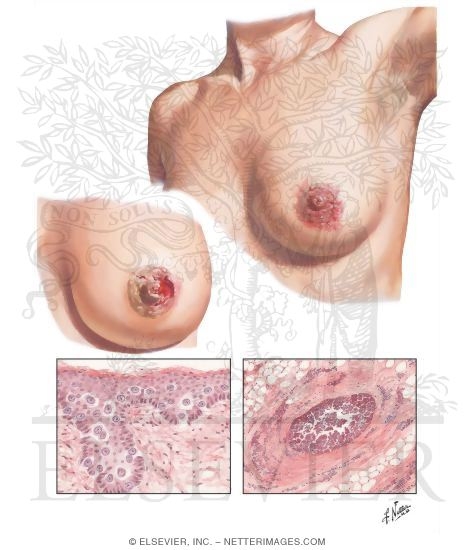
Paget's Disease


Paget's disease is the second most common bone disease. Paget's disease is a chronic bone disorder that is due to irregular breakdown and formation of bone tissue.The disease occurs worldwide, but is more common in Europe, Australia, and New Zealand -- where it is seen in up to 5% of the elderly population. Paget's disease can cause bones to expand and weaken and may result in bone pain, arthritis, bone deformity and fractures. Men and women are approximately equally affected. The prevalence of Paget's disease ranges from 1.5 to 8% depending on age and country of residence. The prevalence of familial Paget's disease (where more than one family member has the disease) ranges from 10 to 40% in different parts of the world. It is usually localized to one bone, but can involve many bones. The actual cause of Paget's disease is not known. Paget's disease is also known as osteitis deformans. The disease may localize to one or two areas within the skeleton, or become widespread. Frequently, bones of the pelvis, leg, spine, arm, or the collar bone are involved. The effect on the skull may enlarge head size and cause hearing loss, if the cranial nerves are damaged by the bone growth.Paget's disease may affect only one or two areas of your body, or may be widespread. Paget's disease tends to appear in families. It can be present in as many as 25 percent to 40 percent of the relatives of someone with the disease. It is also more common in people of Anglo-Saxon descent. Many patients do not know they have Paget's disease because they have a mild case with no symptoms. Sometimes, symptoms may be confused with those of arthritis or other disorders. Symptoms can arise from the effect on calcium levels in the blood stream. When Paget's disease is active in several bones, the overactive osteoclasts can release enough calcium from the bone as they break it down to cause an elevated calcium level in the blood. This rare complication might cause fatigue, weakness, loss of appetite, abdominal pain, or constipation. A doctor can also detect Paget's disease from its effect on the heart if excess blood supply is shunted to overactive bones in severe cases. When pain is severe and unrelenting in an area affected by Paget's disease, the disease may have degenerated into a bone cancer. Paget's sarcoma (Figure 6) occurs in only about 1 percent of patients with Paget's disease. These patients are usually older than 70 years of age. This type of malignant bone tumor is very aggressive and carries a poor prognosis. Paget's disease occurs most frequently in the spine, skull, pelvis, thighs, and lower legs. Paget's disease may be caused by a slow virus infection (i.e., paramyxoviruses such as measles and respiratory syncytial virus). Paget's disease of bone, though they have discovered several genes that appear to be linked to the disorder. Hereditary factors seem to influence whether you're susceptible to the disease. Environmental factors may also play a role. Several studies have postulated that viruses, particularly paramyxoviruses such as canine distemper or measles virus, play a role in pathogenesis, but definitive evidence for this is lacking. Presumably, the declining incidence of Paget’s disease reflects a decline in one or more as yet unidentified environmental influences. The SQSTM1/p62 protein is a selective activator of the transcription factor NFB, which plays an important role in osteoclast differentiation and activation in response to the cytokines RANK-ligand and interleukin-1.Mutations in the SQSTM1/p62 gene are therefore a plausible cause of Paget’s disease. Germline DNA mutations (present in every osteoclast) cause bone disease that is focal in nature.Medical are generally treating Paget's disease. Treatment include is aspirin, other anti-inflammatory medications, pain medications, and medications that slow the rate of bone turnover, such as calcitonin (Calcimar, Miacalcin), etidronate (Didronel), alendronate (Fosamax), and pamidronate (Aredia). Surgery is used mainly to treat the complications of Paget's disease. A newer drug, risedronate (Actonel), appears to have a powerful effect against severe Paget's disease. Miacalcin is administered by injection; 50 to 100 units daily or 3 times per week for 6-18 months. Didronel (etidronate disodium) -- Tablet; approved regimen is 200-400 mg once daily for 6 months; the higher dose (400 mg) is more commonly used; no food, beverages, or medications for 2 hours before and after taking. Fosamax (alendronate sodium) -- Tablet; 40 mg once daily for 6 months; patients should wait at least 30 minutes after taking before eating any food, drinking anything other than tap water, taking any medication, or lying down (patient may sit). Eating a healthy diet with sufficient calcium and vitamin D and getting exercise are important components in maintaining skeletal health and joint mobility.
Lyme Disease


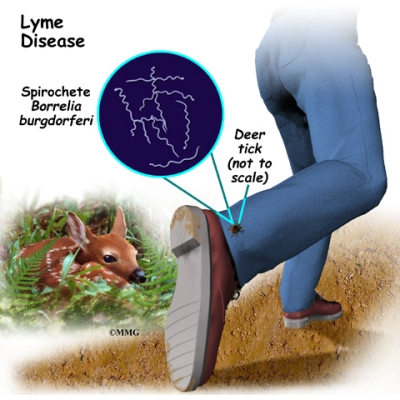
Lyme disease also called Lyme borreliosis, is an infection that derives from a tick bite. It is caused by a kind of bacteria (germ) called a spirochete. This bacterium is usually found in animals such as mice and deer. Lyme disease is diagnosed based on symptoms, physical findings (e.g., rash), and the possibility of exposure to infected ticks; laboratory testing is helpful in the later stages of disease. Most cases occur in the Northeast, upper Midwest, and along the Pacific coast. Mice and deer are the most commonly infected animals that serve as host to the tick. Most infections occur in the late spring, summer, and early fall. Ixodes dammini is responsible for most of the cases of Lyme disease in the northeastern United States. These ticks are found in grassy areas (including lawns), and in brushy, shrubby and woodland sites, even on warm winter days. If left untreated, infection can spread to joints, the heart, and the nervous system. Lyme disease is a vector-borne disease, meaning that it is transmitted from one host to another by a carrier- called a vector- that transmits but does not become infected with the disease. Lyme disease is an occupational concern for people who work outdoors in certain areas infested with ticks. A tick will settle anywhere on a human body, but prefers warm, moist and dark places like the crotch or armpits. If Lyme disease spreads to the heart, the person may feel an irregular or slow heartbeat. The disease varies widely in its presentation, which may include a rash and flu-like symptoms in its initial stage, followed by musculoskeletal, arthritic, neurologic, psychiatric and/or cardiac manifestations. It can affect people of any age. The number of cases of the disease in an area depends on the amount of ticks in an area and how often the ticks are infected with the bacteria. The disease can sometimes be difficult to diagnose because the symptoms may mimic other diseases. Lyme disease may cause symptoms affecting the skin, nervous system, heart and/or joints of an individual. It is named after the town of Old Lyme, Connecticut where a cluster of cases was identified in 1975, although clinical features of the disease had been described in Europe as early as 1909. There are more than 16,000 cases of Lyme disease per year in the United States. People who spend time in grassy and wooded environments are at an increased risk of exposure. Causes of Lyme disease The common causes and risk factor's of Lyme disease include the following: Lyme disease is caused by an infection from a micro-organism (Borrelia burghdor feri), itself transmitted by a bite from the wood tick, a blood-sucking parasite which normally lives on deer. Risk factors for Lyme disease include walking in high grasses, other activities that increase tick exposure, and having a pet that may carry ticks home. Having exposed skin. People who spend time in grassy and wooded environments are at an increased risk of exposure. Not removing ticks promptly or properly. The disease can be spread when an infected tick bites a person and stays attached for a period of time. Symptoms of Lyme disease Some sign and symptoms related to Lyme disease are as follows: The first sign of infection usually is a circular rash that appears within 1–2 weeks of infection but may develop up to 30 days after the tick bite. Unusual or strange behavior. Flu-like symptoms. A fever, chills, fatigue, body aches and a headache may accompany the rash. Headache. Stiff neck. Joint inflammation in the knees and other large joints. Brain swelling (encephalitis)Causes- learning difficulties, confusion, and dementia. Some people may experience heart problems- such as an irregular heartbeat- several weeks after infection, but this rarely lasts more than a few days or weeks. Treatment of Lyme disease Here is list of the methods for treating Lyme Disease: Oral antibiotics- usually doxycycline for adults and children older than 8, or amoxicillin or cefuroxime axetil for adults and younger children- are the standard treatment for early-stage Lyme disease. Lyme disease is also treated with antibiotics. Early Lyme disease responds very well to treatment. In most cases, 14 to 30 days of treatment with an antibiotic kills the bacteria. Patients with certain neurological or cardiac forms of illness may require intravenous treatment with drugs such as ceftriaxone or penicillin. Institute an oral regimen for 30 days. Erythromycin (for people allergic to penicillin). Wash area around the tick bite and hands with soap and warm water. Patients with chronic arthritis that does not respond to IV antibiotics may need a synovectomy to eradicate the inflammatory arthritis in the involved joint.

Information About Paget’s Disease of Bones


Paget's disease is a metabolic bone disease, occurring in the middle aged and elderly peoples. The other name of Paget's disease is osteitis deformans. It is a chronic condition in which both the breakdown and formation of bone tissue are increased, which result in deformity. It is most frequently occur in the pelvic and leg bones, skull, and lower spine. It may lead to bone pain, deformities, and fractures. Paget's disease may be caused by a "slow virus" infection, present for many years before symptoms appear. There is also a hereditary factor since the disease may appear in more than one family member. Paget's disease may affect only one or two areas of your body, or may be widespread. Paget's disease tends to appear in families. It can be present in as many as 25 percent to 40 percent of the relatives of someone with the disease. It is also more common in people of Anglo-Saxon descent. Many patients do not know they have Paget's disease because they have a mild case with no symptoms. Sometimes, symptoms may be confused with those of arthritis or other disorders.Paget's disease of bone causes your bones to grow larger and weaker than normal. They also might break easily. The disease can lead to other health problems, too, such as arthritis and hearing loss. You can have Paget's disease in any bone, but it is most common in the spine, pelvis, skull and legs. The disease might affect one or several bones, but not your entire skeleton. More men than women have the disease. It is most common in older people.Paget's disease is uncommon in people younger than 40 years of age. It is more common as people age. There are no known ways to prevent Paget's disease from occurring. Eating a healthy diet with sufficient calcium and vitamin D and getting exercise are important components in maintaining skeletal health and joint mobility.Paget's disease causes bones to grow too large and weak. You can have Paget's disease in any bones in your body, but most people have it in their spine, pelvis, skull, or leg bones. The disease may affect only one bone or several bones, but it does not affect the entire skeleton. Bones with Paget's disease may break more easily, and the disease can lead to other health problems.Paget's disease, also called osteitis deformans, is a chronic bone disorder in which there is abnormal bone remodeling (the process of bone breakdown and rebuilding). With Paget's disease, bone is broken down more quickly, and is then replaced with softer, more porous bone. As a result, affected bones become thicker, weaker, and deformed. It usually affects the bones of the skull, pelvis, collarbone, spine, and legs.Healthy bone tissue has an ordered structure that gives the bone its strength. Bones affected by Paget's disease, however, have a structure that is disorganized. This disorganized structure weakens the diseased bone and makes people suffering from this disease more likely to have fractures. These fractures are slow to heal.

Parkinson'S Disease


Parkinson's disease (vorum tremens) is the chronic progressing disease of a brain for the first time was described in 1817 by J. Parkinson. Patients who has Parkinson's disease often suffer from involuntary trembling finitenesses (tremor), muscular rigidity, infringements of coordination and speech, and also experience difficulties with movement. These symptoms usually occurs after 60 years though cases of Parkinson's disease are known in the age of 50 years are more younger.Parkinson's disease is a progressing disease, i.e. its symptoms and appearance eventually become aggravated and worsen. However, in spite of the fact that finally Parkinson's disease leads to physical inability and loss of capacity, disease progresses slowly, and even after statement of the diagnosis the majority of patients as early as long years can conduct a high-grade life.Moreover, unlike other serious neurological diseases, Parkinson's disease gives in to treatment. Often resort to medicamentous treatment, or implant in a brain the special device stimulating brain activity. In extreme cases resort to surgical intervention - operations on a brain a method stereotaxis which essence consists in destruction of a small zone in subcrustal structures of a brain. Searches of effective means of treatment of Parkinson's disease now proceed.Symptoms of Parkinson's diseaseThe first symptoms of Parkinson's disease is difficult to notice, as, for example, an immovability of hands at walking, an easy tremor in fingers of one hand or insignificant infringements of speech. Patients feel a devastation, a breakdown, depressions are subject or suffer from a sleeplessness. Besides habitual employment (a shower, shaving, cooking, etc.) require major efforts and borrow more time.Other symptoms of Parkinson's disease* Tremor. The tremor often begins with easy trembling hands or even separate fingers. Sometimes the tremor of hands is accompanied by the non-uniform movement of the big and average fingers reminding overrolling of invisible pills (so-called "a syndrome of driving of pills"). Sometimes there is also a tremor of the bottom finitenesses. These symptoms can be more expressed on one party of a body or be shown symmetrically and to be combined with other symptoms of defeat of nervous system. the Tremor is especially shown by infringements of coordination, sensitivity, when the patient is in a condition of stress. Though the tremor of finitenesses causes significant inconveniences, it does not lead to loss of capacity and disappears only when the patient sleeps. Many patients with Parkinson's disease suffer only from an insignificant tremor.* Slowness of movement (bradykinesia). In due course Parkinson's disease "acquires" new symptoms, among which slowness and awkwardness of movements, as well as infringement of coordination. Rigidity of muscles of legs can complicate movement, gait is broken. It especially annoyingly as complicates performance of the elementary actions.* Rigidity of muscles. Often there is a rigidity of muscles of neck and finitenesses. In some cases rigidity even holds down movements and hurts.* Loss of balance. Parkinson's disease, especially in a heavy condition, it is often accompanied by inability to keep balance. For many years this problem remains insignificant and does not cause discomfort.* Loss of automatism of movements. Blinking, occurrence of a smile and flourish hands at walking - automatic actions of a normal organism which are carried out at a subconscious level and even besides our desire. At patients with Parkinson's disease this automatism of movements often vanishes, and and sometimes and disappears absolutely. In some cases on the person of patients expression of the steadfast and intense attention, a unblinking sight is fixed. At some patients, except for a mimicry, ability to gesticulation vanishes also.* Infringement of an articulation. Many patients also suffer from infringement of speech - it can become slightly modulated, illegible. The voice loses intonations and becomes monotonous and silent. For older people it represents a special problem, as badly hearing elderly co-habitants can simply not hear them.* Infringement of swallowing and salivation. This symptom appears at late stages of development of illness, but, with rare exception, patients with this symptom nevertheless are capable to accept food independently.* Dementia. The insignificant percent of patients suffers from dementia - inability to think, understand and remember. This symptom also appears at recent stages of disease. Though dementia consider as display of Alzheimer's disease is more often, it can accompany and other serious diseases, including Parkinson's disease. In this case delay of thought processes and inability attests to the beginning of dementia to concentrate.Reasons of occurrence of Parkinson's diseaseFor those 200 years that have passed from the moment of opening Parkinson's disease, scientists were possible to understand some aspects and processes of this most complicated disease.Today it is known, that many symptoms and displays of Parkinson's disease develop owing to damage or destruction of the certain nervous terminations, located in black substance of a brain. In a normal condition these nervous cells develop dopamine. Function of dopamine consists in smooth transfer of impulses for maintenance of normal movements. At Parkinson's disease production of dopamine decreases, normal transfer of nervous impulses is broken and there are basic symptoms of Parkinson's disease.During ageing all people lose some part developing of dopamine neutrons. But patients with Parkinson's disease lose more than half of the neutrons located in black substance. Though there is a degeneration and other cells of a brain, the cells developing of dopamine, are necessary for movement, therefore their loss is catastrophic. The reasons of damage or destruction of these cells till now is object of many researches. In opinion of scientists, Parkinson's disease can develop owing to an adverse combination of genetic and external factors. The certain medicines, illnesses and toxic substances also can create a clinical picture, characteristic for Parkinson's disease.

Dogs Cushing’s disease


Dogs Cushing’s disease, if not treated, can eventually progress into a life-threatening condition for you pet. It can lead to kidney, liver, and even heart failure, as well as diabetes and several neurological disorders.
This disease will also make your pet much more likely to incur infections in their mouths, their ears, and several areas or their skin, as well as their urinary tract.
Dogs Cushing’s disease is also known as “hyperadrenocorticism”, and is a result of a chronic overproduction of too much cortisone in your dog’s body.
In a normal and healthy dog, the pituitary gland will produce a hormone that is called ACTH, and has the major function of stimulating the adrenal gland to produce glucocorticoid, which is a steroid hormone. This hormone is a necessity for several functions of your dog’s body. If too much glucocorticoid (cortisone) is produced, a dog Cushing’s disease is the result.
There are three causes of dogs Cushing’s disease; one is with problems with the pituitary gland, the second is with problems in the adrenal gland, and the third is a man-made cause.
Your dog’s body produces cortisone as a natural response to stressful situations. The pituitary gland that is located in your dog’s brain regulates the activity of the adrenal gland that is located directly in front of the kidney.
The pituitary gland produces a hormone that is referred to as ACTH, and this is the hormone that is responsible for stimulating the adrenal gland into producing cortisones in your dogs body.
The major cause of dogs Cushing’s disease by far and away is when an ACTH producing tumor forms in the pituitary gland. This causes the body to produce too much cortisone. There have been some instances, although not near as many as the first example, where cortisone may produce a tumor in the adrenal gland, also causing the disease.
The third cause of dogs Cushing’s disease is when your dog receives too much cortisone either through injections of cortisone, or over supplementation of cortisone.
If your dog’s body produces too little of these vital cortisones they may experience weakness, vomiting, sudden collapse, and in severe cases, even death.
If your dog’s body produces too much, again the result is dogs Cushing’s disease, which can also cause several potential health problems for your dog.
So where exactly does vitamins and supplements, especially the B vitamin complex, come into the picture with dogs Cushing’s disease?
Most diseases or conditions with your dog can be helped and even prevented if their immune system has been built to combat intrusions. Pantothenic acid (Vitamin B5) is a critical vitamin that helps your dog’s body deal with stress, as it enhances the activity of the adrenal glands.
Vitamin B5 is also very effective in increasing energy levels as well as the other B vitamins such as niacin, thiamine, riboflavin, and vitamins B6 and B12 that help the nervous system and the glandular system.
There are several symptoms that you can watch for with this disease; the most prevalent is that it causes the relaxation of the ligaments in the abdomen as well as enlargement of the liver.
This is the major reason that dogs with this disease develop “pot bellies”, and this is perhaps the most telling sign that your pet has this disease, and is caused by the fat that lays in the abdominal shifting while at the same time, due to the loss of cortisone, the muscle mass is weakened.
The decrease of cortisone in this disease will also cause hair loss as well as thinning of the skin.
It increases your pets appetite and their thirst requirements as well, which will than result in weight gains, excessive drinking, and than the need for increased urination.
Dogs Cushing’s disease is generally a disease of middle aged dogs, (and cats), but is much more common in dogs, and usually will affect dogs at five to seven years of age or older, and is somewhat more common in females simply because they have more adrenal gland tumors than males.
There are as with most diseases in dogs, certain breeds that are more at risk and they are the smaller breeds that include several of the Terriers; Silky, Bull, Boston and Yorkshire Terriers as well as Miniature and Toy Poodles, and Dachshunds.
Diagnosis of this disease can be very difficult as it will resemble several other types of diseases that your canine can get. It will be very important for your veterinarian to have a complete and very thorough examination of their blood count known as CBC, as well as complete blood chemistry and a urinalysis.
Treatment of dogs Cushing’s disease will present the owner with several options, including surgery, depending on the tumor, and if the tumor has affected the adrenal gland.
Surgery on a tumor in the pituitary gland, simply because it is in the brain, is highly specialized and not a real option for most owners.
The most common form of treatment for this disease will be non-surgical. Oral treatments have been found to be very successful in treating the pituitary gland tumors.
Even though over 80% plus of all cases of this disease involves the pituitary gland, the adrenal has also been successfully treated with the same oral treatments. The leading forms of treatment are Lysodren, Ketoconazole, and Trilostane. Trilostane is the newest treatment and has shown to be extremely promising with this disease.
Until recently, the only real non-surgical treatment was Lysodren. It is very inexpensive, very effective, and is still the most common form of oral treatment.
However, it does have some rather potentially serious side affects to your dog, and once started your dog will have to take this treatment for the remainder of its life.
Ketoconazole was widely used for several years because of its side effects of interfering with the synthesis of steroid hormones, but its usage has dropped off almost entirely with the introduction of Trilostane.
Trilostane has shown very promising results in treating dogs Cushing’s disease, and virtually has no side effects.
If your dog is treated properly, they can live a healthy and happy life for several years. Building and maintaining your dog’s immune system is still the best way to protect your dog in the long term from this or any other disease.